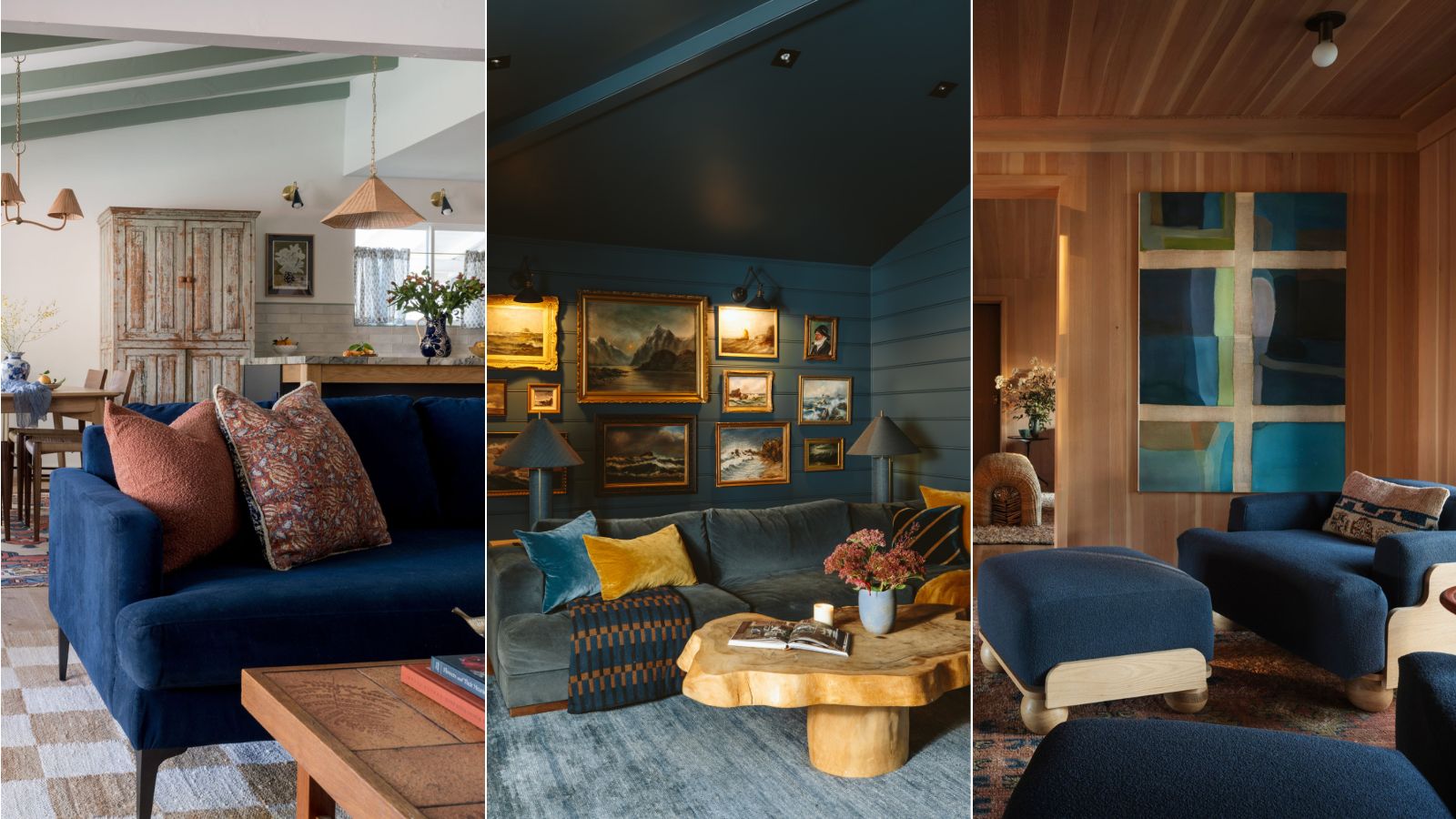
Corner sofas are a staple in many UK homes, offering both comfort and style. Their versatility makes them ideal for various room layouts, from compact flats to spacious living areas. Customizing your corner sofa allows you to tailor it to your personal taste and the specific needs of your living space. This guide will walk you through the process of customizing your corner sofa, providing practical tips and insights to help you create a piece that perfectly fits your home.
Benefits of Customizing a Corner Sofa
Personalised Comfort
Customizing your sofa ensures it meets your comfort preferences. Whether you prefer a firmer seat or a plush, sink-in feel, selecting the right cushioning and upholstery can make all the difference.
Optimized Space Utilization
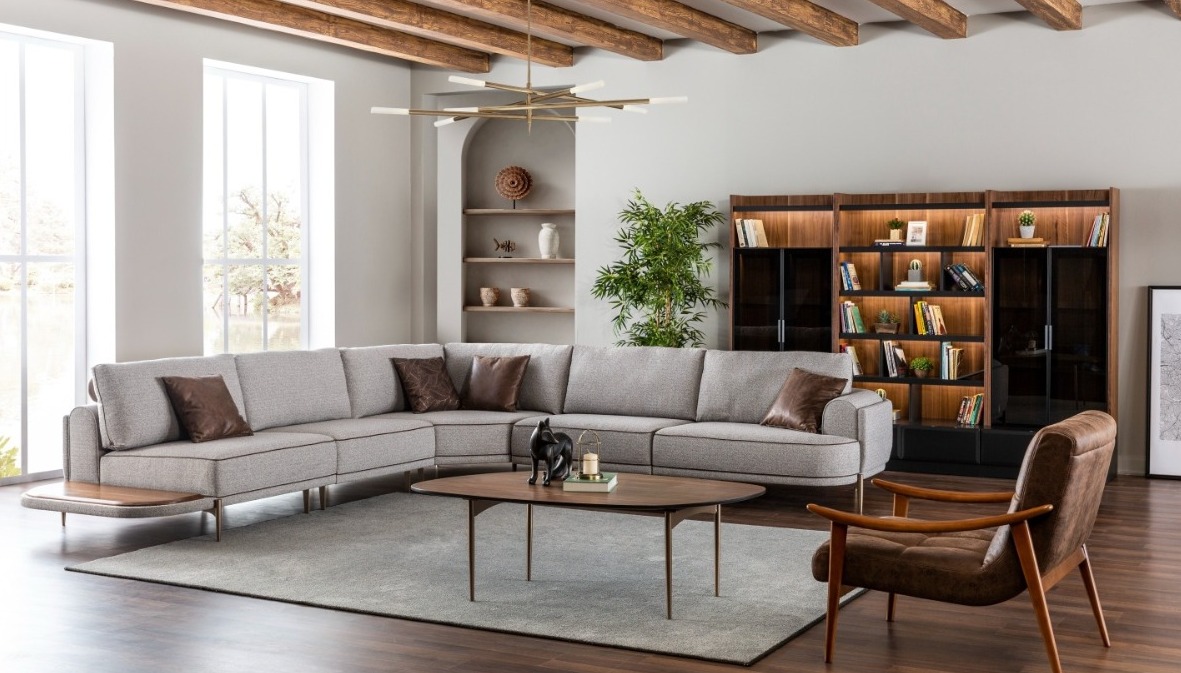
Tailoring your grey corner sofa to your room’s dimensions maximizes space efficiency. This is particularly beneficial in UK homes, where room sizes can vary significantly.
Enhanced Aesthetic Appeal
A customized sofa can serve as a focal point in your living room, reflecting your personal style and complementing your existing décor.
Planning Your Customization
Assess Your Space
- Measure Accurately: Use a tape measure to determine the dimensions of your room. Note the length, width, and height to ensure your customized sofa fits perfectly.
- Consider Room Layout: Identify the best location for your sofa, taking into account natural light sources, doorways, and other furniture pieces.
Define Your Needs
- Seating Capacity: Determine how many people you need the sofa to accommodate regularly.
- Functionality: Decide if you require additional features like a sofa bed, storage compartments, or modular sections for flexibility.
Choosing the Right Style
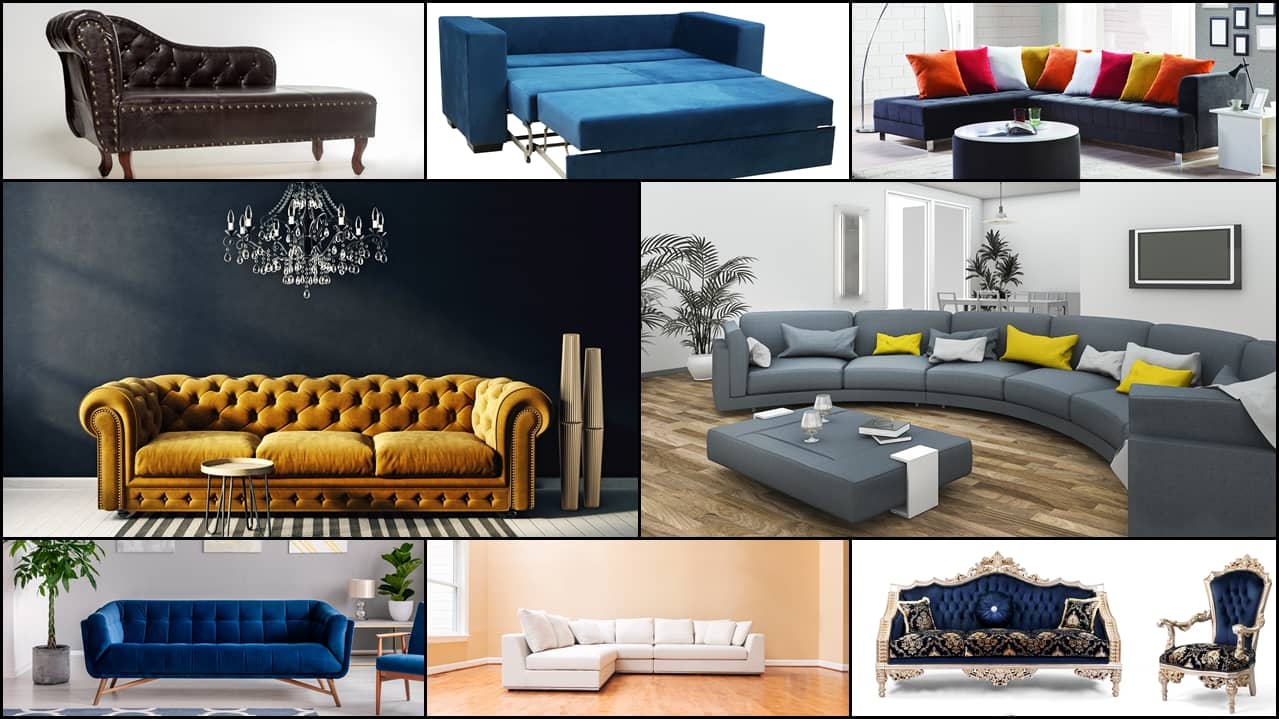
Sofa Shapes
- L-Shaped Sofas: Ideal for open-plan spaces, providing clear separation between different areas.
- U-Shaped Sofas: Perfect for larger rooms, offering ample seating and a communal feel.
- Modular Sofas: Provide flexibility, allowing you to rearrange sections to suit different occasions or room layouts.
Design Aesthetics
- Modern Minimalist: Clean lines and neutral colours for a contemporary look.
- Traditional Elegance: Features like rolled arms and tufted backs for a classic appeal.
- Scandinavian Simplicity: Light wood accents and soft fabrics for a cozy, minimalist vibe.
Selecting Materials and Fabrics
Upholstery Options
- Leather: Durable and easy to clean, suitable for households with pets or children.
- Fabric: Offers a wide range of colours and textures, providing warmth and comfort.
- Velvet: Adds a touch of luxury, though it may require more maintenance.
Colour Choices
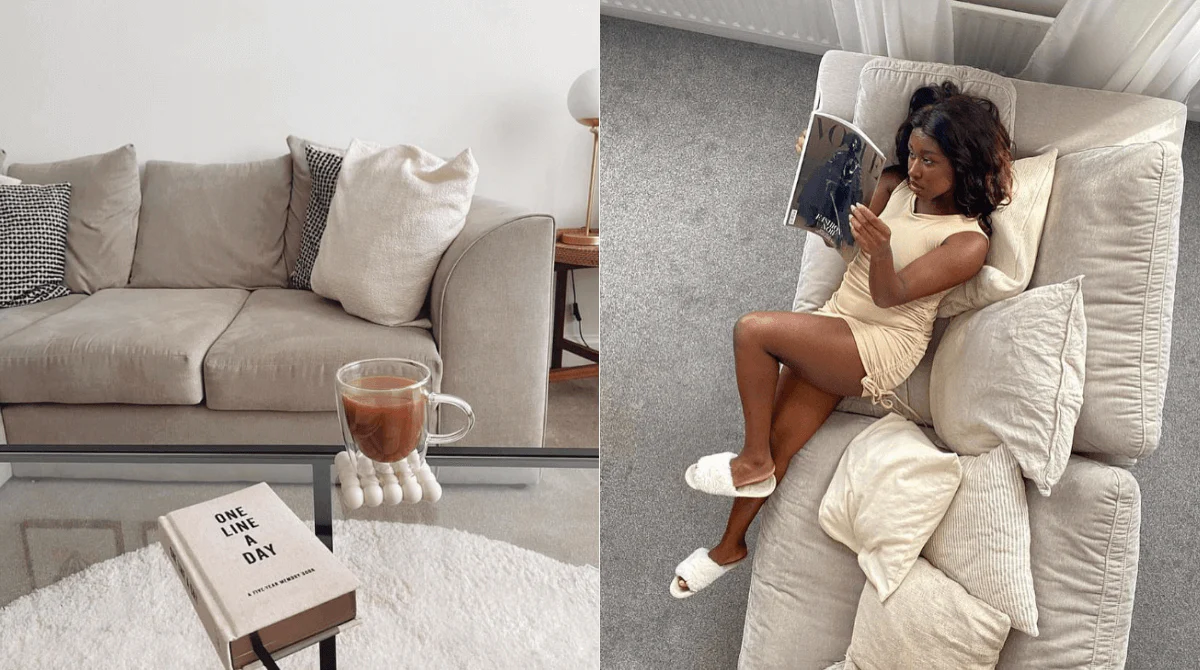
- Neutral Tones: Such as beige, grey, or cream, offer versatility and timelessness.
- Bold Colours: Like navy, emerald, or mustard, can make a statement and add character to your space.
Incorporating Functional Features
Storage Solutions
Consider adding built-in storage compartments under the seats or within the chaise section to keep your living area clutter-free.
Convertible Options
A sofa bed feature can be invaluable for accommodating overnight guests, especially in smaller homes or flats.
Adjustable Components
Features like reclining seats or adjustable headrests enhance comfort and cater to individual preferences.
Customizing Cushions and Accessories
Cushion Selection
- Variety in Sizes: Mix large and small cushions to create depth and interest.
- Pattern and Texture: Combine different patterns and textures to add visual appeal.
- Seasonal Updates: Swap cushion covers seasonally to refresh the look of your sofa.
Throws and Blankets
Adding a throw or blanket not only enhances comfort but also introduces additional colour and texture to your sofa.
Styling Your Customized Sofa
Complementary Furniture
Choose coffee tables, side tables, and shelving units that complement the style and colour of your sofa to create a cohesive look.
Lighting Considerations
Incorporate floor lamps or table lamps near your sofa to create a warm and inviting atmosphere.
Wall Art and Décor
Position artwork or decorative mirrors above your sofa to draw the eye upward and add personality to your space.
Maintenance and Care
Regular Cleaning
Vacuum your sofa regularly to remove dust and debris. For fabric sofas, consider professional cleaning annually to maintain freshness.
Protective Measures
Use armrest covers or slipcovers to protect against spills and stains, especially in households with children or pets.
Rotation of Cushions
Rotate and fluff the sofa cushions regularly to maintain their shape and ensure even wear.
How to Choose the Perfect Sofa for Your Home — 5 Key Things Interior Designers Always Consider
1. Choose the Right Sofa Colour Based on Your Style
Do you want your new sofa to stand out or blend in? If you want it to pop, go for accent colours. For example, if your wall is blue, a yellow sofa creates striking contrast. White walls? Pick a bold colour that grabs attention.
For a calmer or formal look, go for neutral tones.
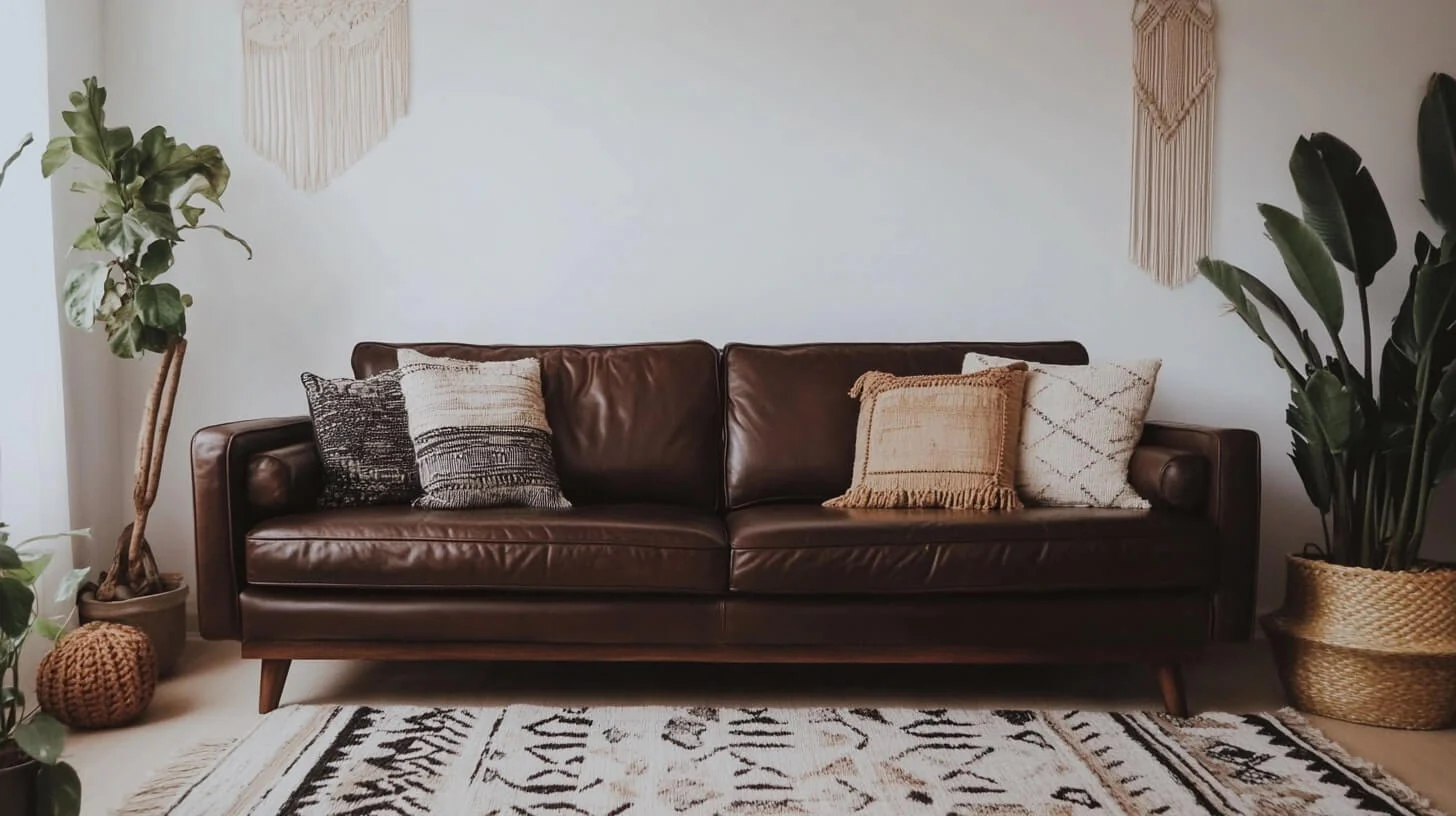
- Brown leather adds warmth.
- Light grey feels soft and airy.
- Dark grey gives a responsible, sophisticated vibe.
- Black couches are great for bold, masculine themes.
2. Match Fabric With Your Lifestyle
Got kids, pets, or frequent guests? Choose wisely.
- Darker colours are better at hiding stains.
- Leatherette in light shades cleans easily but scratches with pets.
- Avoid leatherette in humid places — it gets sticky.
Some fabric recommendations:
- Linen: Classy, breathable, great in humid weather, but wrinkles fast.
- Canvas: Looks like linen but resists wrinkles and hides stains better.
- Polyester: Budget-friendly, durable, stain-resistant, and long-lasting.
3. Get the Sofa Size Right
Before buying, measure your space and your entry points (doors, stairs, elevators).
People often order online and the delivery fails because the sofa doesn’t fit through.
Tips for perfect fit:
- Never go by how the sofa looks in a showroom — they have more space.
- Measure the wall where you plan to place it, then subtract one-third of the wall’s length. That’s your ideal furniture length.
- Too big = bulky. Too small = looks like it’s floating.
Typical sofa size guide:
- 3-seater: 70–96 inches
- 2-seater/loveseat: 48–72 inches
- Single seaters or ottomans work great in smaller rooms — they offer storage too.
Coffee table tip: It should be the same height or slightly lower than your sofa — never higher.
4. Make Sure It’s Durable
After the sofa is upholstered, you can’t see what’s inside. So here’s how to check quality:
- Frame strength: Lift your 6 seater sofa to 5 inches — it should feel heavy. If the back legs don’t rise with the front, the frame is weak.
- Cushion foam:
- Dense foam = better for sitting, jumping, and long-term shape retention.
- Softer foam = good for lying or napping.
- Best option = slightly firm foam. It softens over time and supports well.
5. Style the Area Around the Sofa
A beautiful sofa in a badly styled room still doesn’t shine.
Make sure to complement your sofa with:
- A well-decorated background wall
- Paintings, wallpaper, or frames
- Contrasting cushion covers for a modern, youthful vibe
Some common themes:
- Feminine look: Gold accents and curves
- Formal vibe: Browns, blacks, greys
- Bohemian style: Mix patterns in cushions, wall art — very trendy now
- Add plants: They instantly bring life and colour
The most important thing isn’t your sofa. It’s your vibe, your family’s energy, your guests’ comfort. That’s what truly creates a beautiful living room.
Conclusion
Customizing a corner sofa allows you to create a piece that perfectly fits your lifestyle and aesthetic preferences. By carefully selecting the style, materials, and features, you can enhance both the functionality and appearance of your living space. Remember to consider your room’s dimensions, your household’s needs, and your personal style throughout the customization process. With thoughtful planning and design, your customized corner sofa will become a cherished centerpiece in your home.