
Contact us on whatsapp for further details
Contact us on whatsapp for further details

Recliner sofas are a popular choice for UK households due to their comfort and versatility. However, moving or replacing a recliner sofa can be challenging because of its size and mechanical components.
Learning how to dismantle a recliner sofa can save you time, effort, and potential damage during transportation or storage. This guide will take you through the process step by step, ensuring it’s simple, safe, and efficient.
Before starting, ensure you have enough space to work around the recliner sofa. Remove any items near the sofa to avoid accidents or damage. Lay a blanket or padded sheet on the floor to protect both the sofa and your flooring from scratches.
Some recliner sofas come with removable cushions. If yours does, take them off first to make the dismantling process easier. Store them in a clean and safe place to prevent dirt or damage.
Most recliner sofas have removable backrests. To detach them, start by finding the release mechanisms, which are usually located where the backrest connects to the sofa base. These could be levers, clips, or locking tabs.
Use your hands to push or pull the levers, or gently lift the clips or tabs with a flathead screwdriver to unlock them. Once unlocked, lift the backrests upward and slide them off the frame. Finally, place the backrests in a safe spot.
Recliner mechanisms are usually fixed to the sofa frame and may need to be removed for easier handling. Start by flipping the sofa onto its back to expose the underside. Locate the screws or bolts holding the recliner mechanism in place.
Use a screwdriver or Allen wrench to unscrew them, and keep all hardware in a labeled bag to avoid losing anything.
If the sofa has manual or electric recliner features, disconnect any attached cables or wires carefully. Use pliers to remove clips or connectors without damaging the wiring.
The base frame of the recliner sofa can also be taken apart to make it easier to move. First, check if the sofa has separate sections held together by brackets or clips.
If so, remove the screws, bolts, or brackets that connect them. Gently pull the sections apart.
For small parts, like screws or brackets, store them in plastic bags and tape the bags to the corresponding sofa section to keep everything organized.
Once the sofa is dismantled, wrap each piece in protective blankets or plastic covers to prevent damage during transport. Use straps or rope to secure the parts if you’re loading them into a vehicle.
Taking apart the sofa makes it easier to move through narrow doorways or stairs because the parts are smaller. It also takes up less space for storage.
Furthermore, separating the sections helps prevent damage, such as scratches or breakage, when handling the pieces.
If you’re working with a specific brand, it’s helpful to refer to the manufacturer’s manual for detailed instructions. Some popular brands include
These brands often have online guides or customer service lines to assist with dismantling.
We are going to show you how to take out one of these recliner sofas. Now, these are the kind where the backs do pop off. Sometimes they don’t, and that’s a whole different story, but for the most part, they do, especially if this is accessible.
So, what you want to do is peel these back parts off, and they’re usually just held together by velcro. Sometimes they’re sewed in, and that’s when you don’t take the backs off, and it’s a pain. Whoever invented that, we don’t like you, but I will say we open these up.
Try to step away when you do it because usually any dust, hair, or anything else that kind of gets collected in there is going to want to fall out. So, when you go like this or you go like that, you just don’t want your face to be there.
These normally aren’t the cleanest of places because, like I said, this is where everything collects. You’re usually going to have these little black wires in here. All you’re going to do is peel those back.
Sometimes they’re a pain, but they’re just little clips. If you’ve never taken them apart since buying the couch, they’re normally kind of stiff. There you go, and then you just unplug it. That way, when you take this off, it’s not going to get stuck halfway through. You would do the same thing if you were putting this together as well.
Now, the next step is inside here, there’s going to be either a little clip or a knob that unscrews. So, let me go ahead and show you that. So right here is a little clip, and all we’re going to be doing is lifting up on this clip towards the side and then pulling up on the whole piece.
So, I can’t do that while holding the camera, so I’m going to show you again. There’s a little clip right here; you see this is a little springy. I can push down on it. It’s basically just not into this thing, so I’m going to lift up on it like this on both sides of the couch.
This side has one too. We’re going to lift up on that little spring and then yank this upwards, and it’s going to pop out of place. Sometimes they’re a little tough too, like I said before.
If this doesn’t come off very often, like, let’s say they got delivered brand new and they never messed with it and they’ve had it for like five years, those clips are probably gonna be a little tough because they don’t have a lot of wear and tear on them, and the same thing with getting those little electrical wires off.
you’re pulling the clips away from each other and then lifting up. Sometimes they may have a little knob, especially in the middle if you have a cup holder.
Instead of having these little clips, there will just be a knob that you just unscrew two of, and it goes through two pieces of wood and then just pops off. So either way, pretty easy job.
We’re going to get the other two off, and I’m going to show you an easy way to get it out. If you’re on the first floor, your four-wheeler is probably going to be your best bet if you’re not super familiar with using a hand truck.
But I’m personally going to use a hand truck. Then, if you’re using stairs, of course, you’d only use a hand truck or carry it.
So, now that we have the backs off, this is obviously going to be much easier to move out of a skinny door versus having the odd, you know, corner shape.
Before we get into how to move it, I want to show you two pieces of appliances I should say: a four-wheeler or a hand truck. You’ve probably seen both of these before. There are different qualities to them, mainly depending on the wheels and how much weight they’re able to support.
These are both typical that you would see with a professional moving company. I want to show you a couple of different ways you can get it out.
A lot of people will take a dolly and put it on the bottom of the couch like as if you’re just setting it on it. It’s going to look exactly the same. The problem with doing that is great and all if you’re outside maybe, but if you have to go through doors or hallways, typically, the width of a couch is wider than a door.
So, if you put it on that as is, you’re not going to be able to make it through the door, and if you try to force it, you’re probably going to damage the door frame when you start hitting places like this or if you catch any of the metal parts.
The objective is to make the piece as small as possible while you’re going through tight areas. So let me show you a couple of those ways. If we’re using the four-wheeler instead of putting it on the nose, the nose of the couch is this part. Some people call it a different word, I call it the nose, where the back of your knees touch.
The reason we’re doing this is you have more surface area to it. If you put it on the other side where we took the back off, you have about a six-inch surface area that’s very unsteady.
So, when you’re up on here, it’s going to be harder to balance it. When you’re going out the door, let’s say it slips off, smacks into the door frame, you just potentially cause damage.
The whole point of being a professional company is that you need to be able to move these things without causing damage. So we’re going to flip this couch onto its side, stand it up, slide this under it with our foot, set it down.
If you have two people, obviously, you can just flip it on top of each other, but we like to do this solo because we can.
Let’s get into that. Okay, this isn’t too heavy either. Sometimes you can get heavy ones, so tip it on the side, I’m going to readjust this with my foot so it’s pretty much in the middle, set this down, and then roll up.
Let me show you what I meant by putting it on the bottom. As you can see right now, it’s no more than two feet wide. It should be pretty easy going out the door, right? If you were to put it on the bottom, here’s the kicker. Oftentimes, these bars are pretty spaced out like they are on a dolly, and the dolly probably wouldn’t fit in there.
If it did, it’s going to be very close to the edge, and now you run the risk of it falling in between, which is going to throw the whole thing off. Another thing is you would have to turn the dolly sideways to kind of reach from bar to bar, but now it’s going to be a little awkward going out the door.
You have less distance between the wheels, so when you go off that first gap to do that on the step, it’s going to throw everything off.
At the end of the day, I believe this to be the best way. Plus, like I mentioned before, it’s a smaller space, which is going to make it easier to go out the door.
Now, let’s say for example, you weren’t on the first floor, the couple of steps maybe you had an up-and-down or maybe you’re upstairs, second floor, third floor, maybe higher than that, and that elevator doesn’t work or, hear me out, doesn’t fit in the elevator.
Very common scenario. This would probably fit, but you’d be surprised. Sometimes you get small elevators.
A lot of people and when I say a lot of people, I mean as a former professional mover, a lot of the new guys we have, before we have a chance to show them everything, they do this stuff, and you’re like, “What are you doing” and they’re like, “I don’t know,” and it’s because they’re looking at what they think is the most secure way to move it. But in reality, it actually makes it worse.
A lot of people will grab that hand truck, stand this couch up, and grab it from the bottom. You can do that, but we run into the same problem as we do with the four-wheeler, which is it’s too wide for the doors. On top of that, though, it is still secure.
You also run into the fact that this metal bar sticks out a little farther than this does, which means it’s not going to be sitting fully on your hand truck, which may cause you to be a little unstable.
So, if you can control the weight, and it’s not a couch that has any kind of slack to it, that’s fine, but for the most part, we like to move things all the same way.
So, we’re going to grab it from the nose of the couch, the same way we did with this. The hand truck is going to go on this part of the couch, so I’m going to show that to you right now.
So once again, the dolly goes on the front, line it up to the side so I can get the weight distribution, I’m going to simply pull back on the couch while holding onto the dolly, lift it straight up now, and pour in notes.
Here as you lift it, you want to apply pressure, otherwise, the couch may tip. Just because you lift it up doesn’t mean anything; it’s still going to be a weight distribution. I still want to go somewhere. Now I have control of the couch at this point.
If it’s a heavy boy and it’s leaning, you know, you can put your arm farther up for better leverage or you can cup it like this and then just turn it towards you and keep the couch tight. The more secure you are, the more control you’re going to have over the piece.
Now, at this point, we’re going to turn around with it, give it a little push, and go right out the door. Now going out the door, no brainer, we’re just going straight with it just like we just did there.
The only thing to keep in mind is I do have about a foot drop here, so if you have steps, if you have stairs, if you have a drop, you want to make sure you’re controlling this piece. Because when you are in midair, weight distribution still applies, leverage still applies.
When you hit the ground, you’re sending a shockwave through everything, which means that every time you go down, this thing can be rocking around. When things are rocking, weight follows.
So every time I go down a step, this is going to want to shoot this way, so you want to make sure you’re controlling it the whole way.
And if you have a thick weather strip like this one does, when you get to the end, just give it a nice little push with the dolly and get it right over it. You’re going to want to bring the piece down with you, so when I go to the door, I’m not going to go at it like this.
This is too high, I’m going to hit the top, and it’s probably going to smack me in the face. We’re going to be damaging two different things at once, and this face cannot get any uglier.
When we go up to the door, we’re going to let it lean back towards us. You can go really low too. You can let go of the dolly at this point, you’re going to have the weight of the piece, so you can grab the couch itself and go like this.
So when I get to that door, I’m going to go nice and low with it. I’m going to give it an extra push if I can’t get over that weather strip and I’m going to make sure that the couch is sitting low and we’re going to go right out the door.
Down the step, control it, help me go. If you can’t stand up because it’s a low ceiling outside, that’s
Additional Considerations for UK Homeowners
In many UK homes, doorways and hallways can be narrow. Taking apart the sofa makes sure it can fit through these spaces without getting damaged. If you’re disposing of your recliner sofa, make sure to follow local rules for waste disposal or recycling.
If the sofa is complicated to dismantle or you’re unsure, it’s a good idea to hire professionals who specialize in this.
For storing dismantled furniture, choose a dry and temperature-controlled storage unit to keep the materials from getting damaged.
Proper care and occasional dismantling for deep cleaning can extend the life of your recliner sofa. Dust and debris often accumulate in crevices, which can affect the recliner mechanism over time. Use this opportunity to clean hard-to-reach areas, ensuring smooth operation and longevity.
Learning how to dismantle a recliner sofa is a valuable skill that can make moving or storing your furniture much easier. By following this guide, you can safely and efficiently dismantle your recliner sofa without professional help.
Whether you’re relocating or just rearranging your living room, this step-by-step process ensures a hassle-free experience.
Additionally, taking these extra considerations into account makes the process even more tailored to UK homeowners, ensuring practicality and compliance.



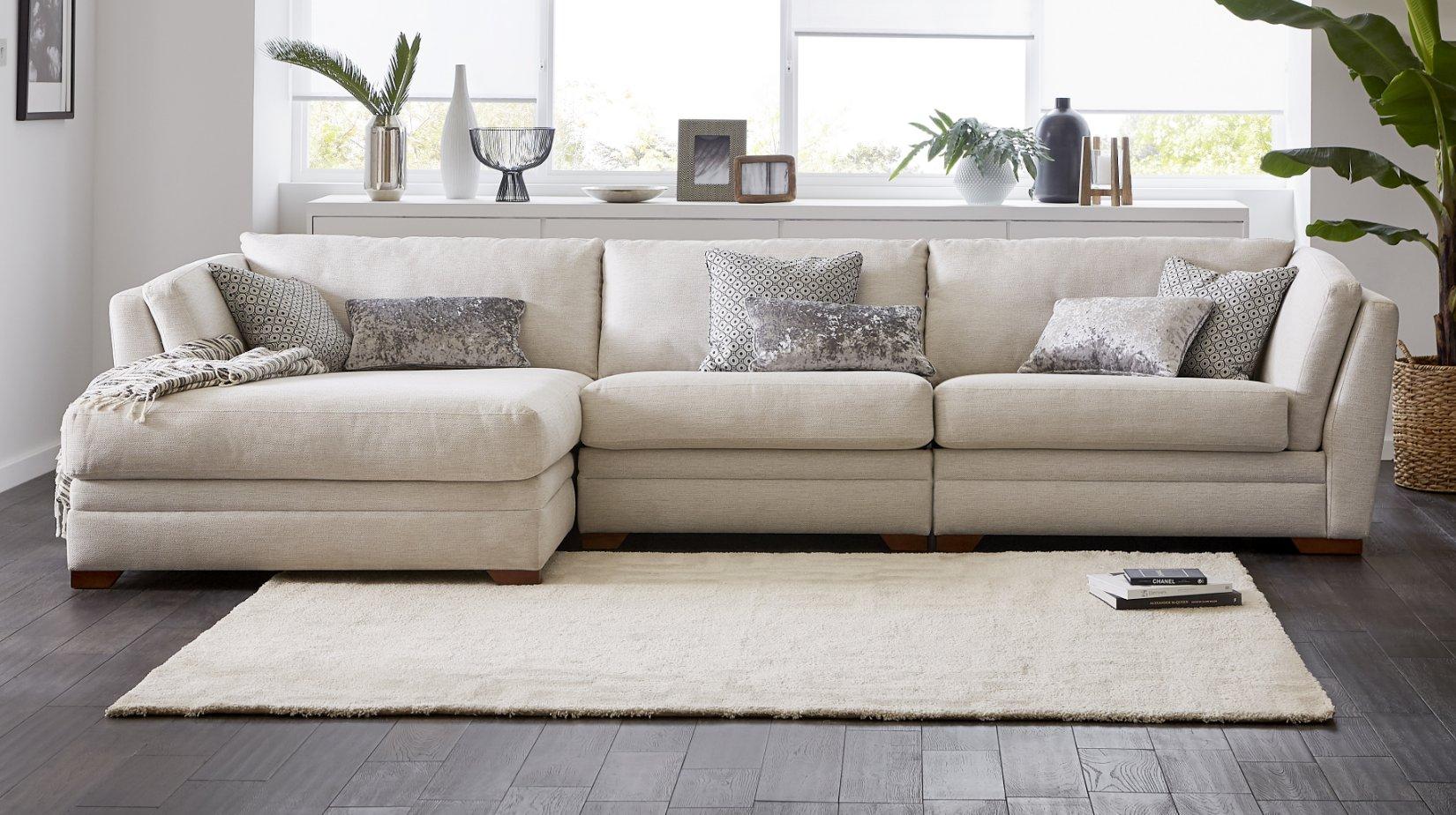
U shaped sofas have become an increasingly popular choice for homeowners who love modern furniture and crave extra seating space. These large, statement making pieces
A brown leather sofa is a timeless and versatile piece of furniture that exudes sophistication and comfort. Its rich earthy tones make it a standout
A blue sofa is a versatile and stylish piece of furniture. It adds character to a room and pairs well with many colours. Choosing the
Choosing the right foam for your sofa cushions can transform your sitting experience. Whether you’re buying a new sofa or replacing your current cushions, understanding
Expert help & advice
All you need to know
Tel: +447732407854
Email: [email protected]
Address: 5 Brandon Rd, Sheffield S9
2NW, UK, Sheffield.
Monday to Friday 11am to 8pm
Saturday – Sunday 11am – 5pm
Sign up for exclusive offers, original stories, events and more.

© 2001 ushaped sofa store.
Expert help & advice
All you need to know
Tel: +447732407854
Email: [email protected]
Address:
5 Brandon Rd, Sheffield S9
2NW, UK, Sheffield.
Monday to Friday 11am to 8pm
Saturday – Sunday 11am – 5pm
Sign up for exclusive offers, original stories, events and more.
© 2024 ushaped sofa store.
WhatsApp us