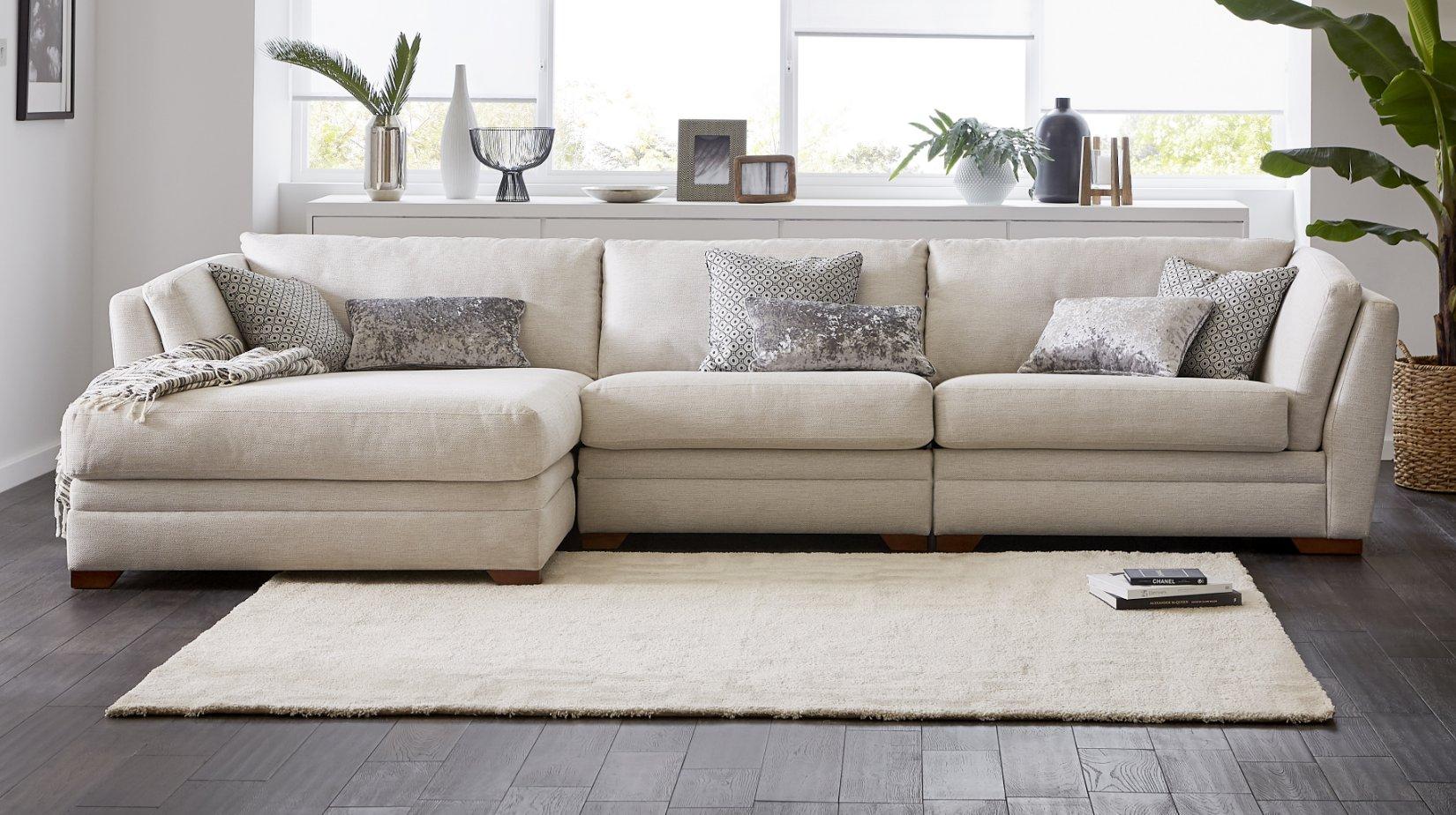
Sofas are not just pieces of furniture. They are essential for comfort and style in our homes. The materials used in their construction affect their durability, quality, and look.
Making the right choice ensures your sofa stays beautiful and functional for many years. From the inner frame to the outer fabric, each part plays a role in making a reliable and stylish sofa.
The Essential Components of a Quality Sofa
The frame is like the skeleton of the sofa. It gives shape and strength to the entire structure. Hardwood, such as oak or maple, is very strong and lasts a long time. These woods are perfect for high quality sofas and can handle years of use. Plywood is a cheaper option. If it is reinforced, it becomes stable and reliable. Metal frames offer a modern look. They are resistant to pests and do not bend easily making them a great choice for long term use.
The Framework
The frame is like the skeleton of the sofa. It gives shape and strength to the entire structure. Hardwood, such as oak or maple, is very strong and lasts a long time. These woods are perfect for high quality sofas and can handle years of use.
Plywood is a cheaper option. If it is reinforced, it becomes stable and reliable. Metal frames offer a modern look. They are resistant to pests and do not bend easily making them a great choice for long term use.
Cushion Filling
The filling inside the cushions determines how comfortable the sofa is. Foam is the most common filling. It can be soft or firm, depending on your preference. Feather and down fillings feel very soft and luxurious, but they need regular fluffing to keep their shape.
Polyester fiber is lightweight, affordable, and good for casual use. Memory foam cushions are advanced. They adjust to the shape of your body, providing extra support and reducing pressure points.
Upholstery Materials
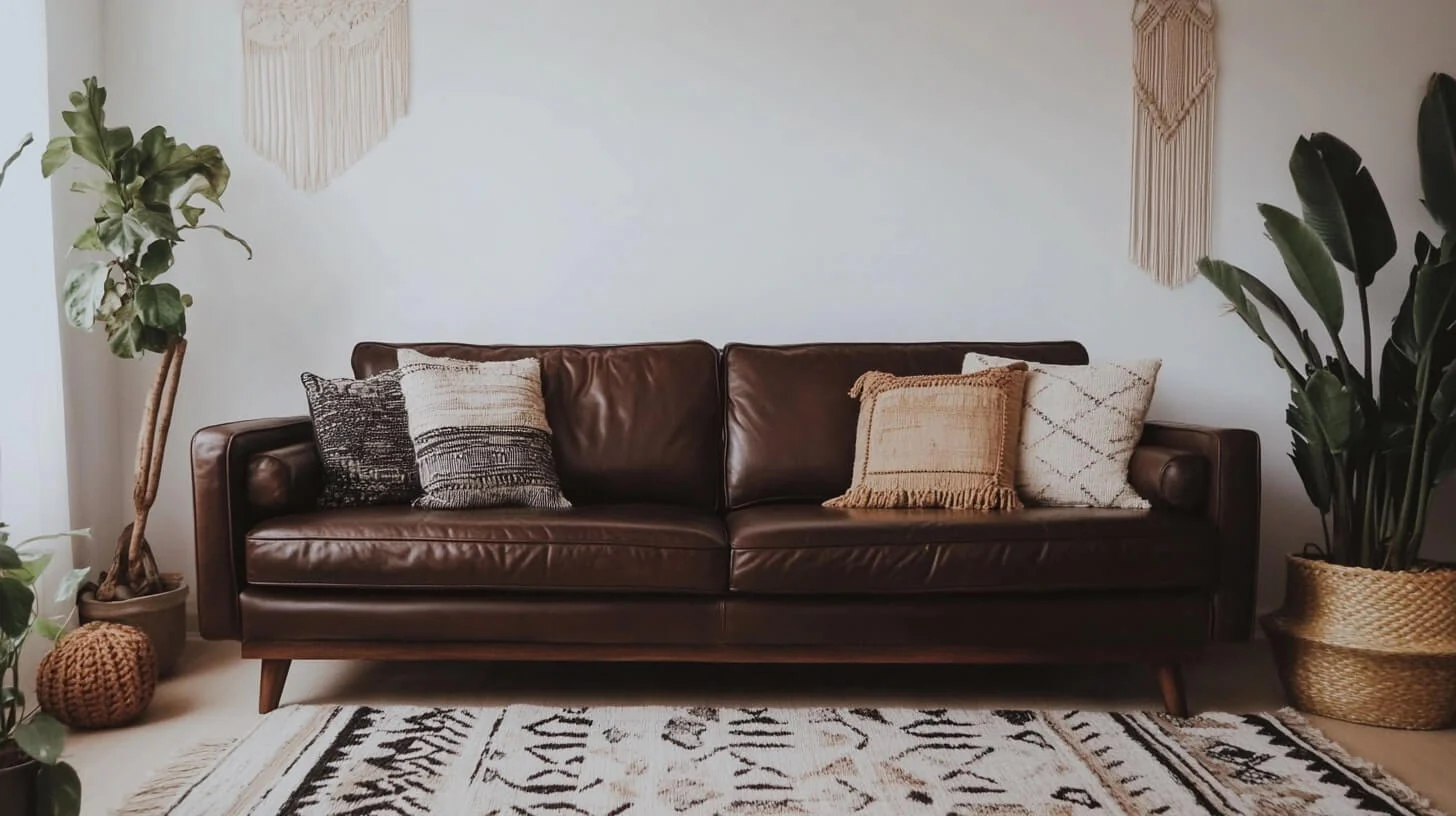
The upholstery is the part of the sofa that you see and touch. Leather is a popular choice because it is durable and easy to clean. High quality leather becomes even more beautiful over time. Fabric upholstery comes in many colors, textures, and patterns, so it can match any home style.
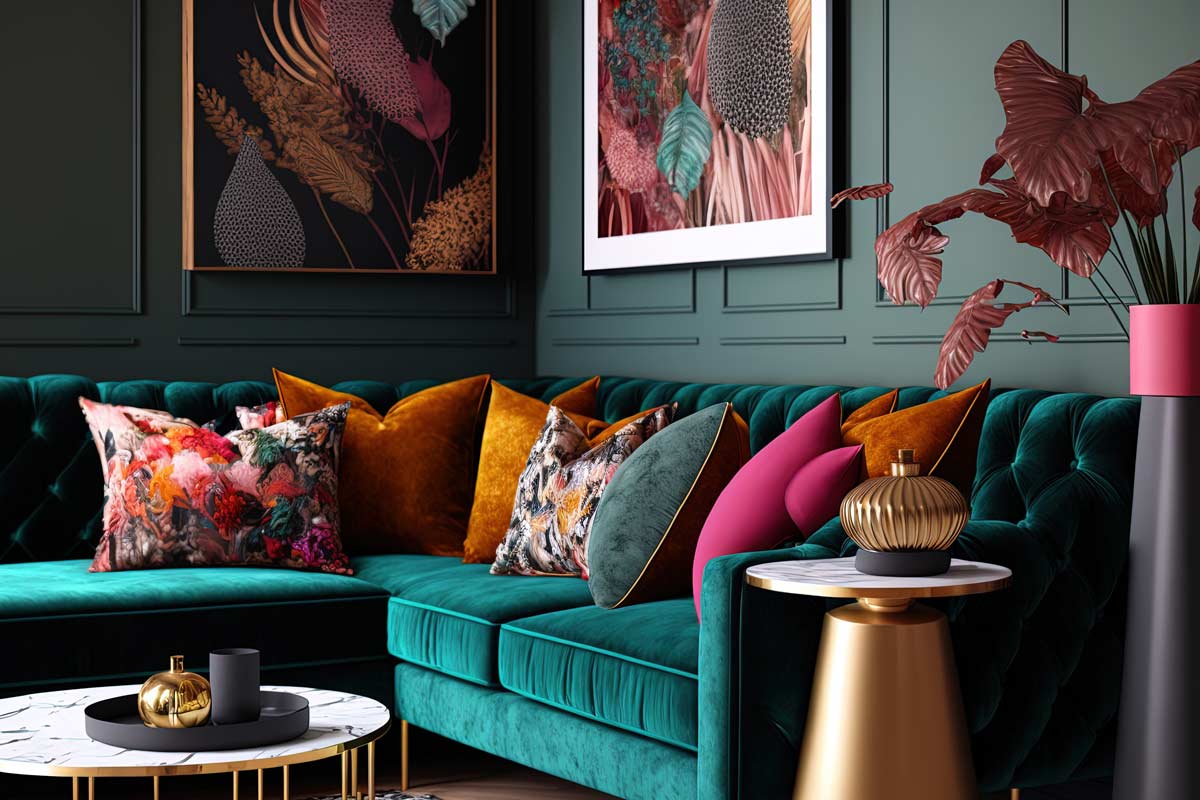
Microfiber is a synthetic material that resists stains and is easy to clean. It is perfect for homes with kids or pets. Velvet is soft and luxurious, adding a fancy touch to your sofa, but it needs careful maintenance to avoid damage.
Springs
Springs are important for the sofa’s support and comfort. Sinuous springs are zigzag-shaped and provide even support across the seating area. Pocket springs are individually wrapped, so they adjust to pressure independently. No sag springs stay in shape over time, making the sofa comfortable for many years.
Wood Types for Frames
The type of wood used in the frame affects the sofa’s strength and style. Oak is a strong and long lasting wood, making it a favorite for traditional designs. Pine is lighter and more affordable, but it is not as durable. Birch wood is smooth, stylish, and strong, offering a good balance for manufacturers.
Metal Types for Frames
Metal frames are modern and stylish. Stainless steel is rust-resistant and shiny, making it both durable and sleek. Aluminum is lighter but still strong. It is a good choice for minimalist designs and portable furniture.
Leather Varieties
Different types of leather are used in sofas. Full grain leather is the most natural and premium option. It shows natural imperfections and becomes more beautiful with age.
Top grain leather is slightly processed, offering a balance between durability and style. Bonded Carlton Electric Reclining Chair is made from leather scraps and is an economical choice. It looks like real leather but costs less.
Fabric Varieties
Fabrics give the sofa its personality and comfort. Cotton is soft, breathable, and comfortable, making it a great choice for family use. Linen has a cool and elegant texture. It is ideal for warm weather but wrinkles easily. Polyester blends are durable, colorful, and easy to clean, making them practical for everyday use.
Eco Friendly Materials
Eco conscious materials are becoming more popular. Recycled fabrics reduce waste and look stylish. Bamboo frames are renewable and lightweight, making them an excellent sustainable option. These materials help protect the environment while offering modern style.
Foam Types
Foam density affects comfort and durability. High density foam provides firm support and keeps its shape over time. It is ideal for people who prefer structured seating. Low density foam is softer and cheaper but wears out faster. It is better for occasional use or decorative furniture.
Padding Layers
Padding adds softness and shape to the sofa. Dacron wrap, a type of polyester, smoothens the cushion’s surface and gives it a plush feel. Wool batting is a natural padding material. It is durable, resilient, and adds a luxurious touch to the sofa.
Adhesives and Binding
Adhesives hold the sofa together. Water based adhesives are eco friendly and safe for homes with kids or pets. Solvent based adhesives are stronger but need careful handling during application. These unseen materials are essential for the sofa’s structure.
Leg Materials
The legs of a sofa affect its look and stability. Wooden legs are classic and versatile, fitting traditional or rustic designs. Metal legs are modern, sturdy, and great for contemporary furniture. Plastic legs are lightweight and affordable, suitable for temporary or lightweight furniture.
Trim and Detailing
Decorative details add personality to a sofa. Nailhead trim is often used in vintage and traditional designs, giving a decorative flair. Piping, also known as welt, provides clean lines and a tailored look, enhancing the sofa’s overall finish.
Stitching and Seams
Stitching combines style and strength. Double stitching reinforced seams, making the sofa more durable. Hidden seams, often used in modern designs, create a sleek and polished appearance.
Protective Coatings
Protective coatings extend the life of a sofa. Scotchgard is commonly used to protect fabric from stains and spills. Leather conditioners keep leather soft and prevent cracking, maintaining its natural beauty over time.
Innovative Materials
New materials make sofas more functional. Smart fabrics resist stains and spills, making them perfect for busy households. Gel infused cushions stay cool and offer better support, enhancing comfort during long sitting periods.
Commonly Overlooked Details
Small features can make a big difference. Zippers and fasteners make cleaning and replacing parts easier. Velcro strips allow cushions to be adjusted or removed, adding convenience and customization.
The Sofa Making Process – From Frame to Final Product
Sofas are common and most would say an essential piece of furniture in homes, offices, and various commercial spaces. But do you know how a sofa is made?
The Wooden Frame
The amazing sofa making process starts with making the wooden frame. Firstly, the skilled carpenter cuts the wooden pieces according to the design. Then, small cuts are made to join the parts together. Here, a basic frame is created.
Smoothing and Design Cutting
Now, the surface of the sofa frame has been smoothed. Next, the design cutting is performed on a panel of plywood. After that, iron nails are fitted on the crest rail to fit the back upright slant, and here, the upper panel of the back rail is cut by machine. Small cuts are also cut manually with a hand saw blade.
Gluing and Fitting
Then, glue is applied to the small cuts. Afterwards, a narrow piece of wood is fitted on the back rail. Again, the iron nails are fitted to the sofa frame.
Webbing Bridge
Now, the design is drawn on the plywood piece, and it is cut to make the webbing bridge. Here, plywood is cut according to the design. Then, glue is applied, and the webbing bridge is attached to the frame.
Frame Completion
Here, we can see that our main frame is ready. After a few days, it is also ready for stitching.
Velvet Fabric and Cushion Making
The velvet fabric at this stage is stitched manually to form the cushions. Sofas are a type of furniture designed for seating two people or more comfortably. At this stage, stapler clips are placed, and any excess fabric is cut away. We see that the skilled worker carefully attaches the fabric to the frame, creating a smooth appearance. To fit the velvet fabric properly, more iron nails are attached.
Finalizing the Sofa
Now, glue is applied on the sponge cushion, and it’s fitted to make the welt. Again, glue is applied on the velvet fabric to allow it to be properly stitched. Here, the fabric is cut and placed in the frame of the sofa. Then, glue is applied to the velvet fabric and attached to the backrest of the sofa.
Conclusion
Understanding the materials used in sofa production helps you choose the right one. From strong frames to comfy cushions and stylish upholstery, every detail matters. Focus on durability, comfort, and style to find a sofa that fits your needs. A well made sofa not only improves your home’s look but also becomes a cherished piece for years to come.